
Introduction
The rapid expansion of OTT platforms has transformed how audiences consume entertainment, but it has also intensified competition for viewer attention. Streaming leaders now depend on precise behavioral insights to determine what viewers watch, skip, binge, or abandon. By converting scattered user interactions into structured intelligence, platforms can align storytelling, release schedules, and personalization strategies with real viewer demand.
Advanced analytics powered by Netflix Data Scraping Services allow brands and analysts to monitor audience reactions, ratings fluctuations, genre popularity, and engagement patterns across regions. These datasets reveal how preferences evolve based on language, release timing, cast popularity, and even episode length. When platforms interpret this data accurately, they can reduce content failure risks and improve retention.
At the core of this transformation lies Netflix Data Scraping Helps Analyze Viewer Behavior, enabling OTT stakeholders to extract real-world engagement signals rather than relying on internal assumptions alone. As data-backed storytelling becomes the norm, streaming platforms that listen closely to their viewers are better positioned to deliver content that resonates, performs, and sustains long-term loyalty.
Understanding Emotional Signals Behind Viewing Choices
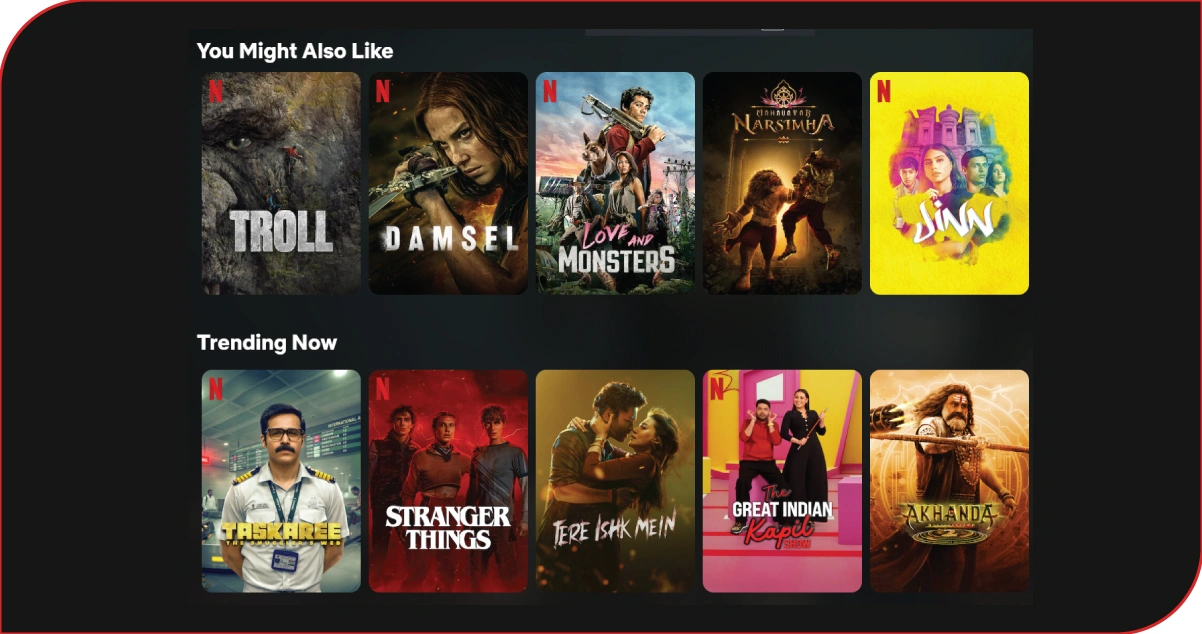
Modern streaming decisions are increasingly driven by how audiences emotionally respond to what they watch rather than surface-level metrics. Viewer interactions such as reviews, likes, pauses, rewatches, and abandonment patterns collectively form emotional signals that reveal deeper preferences. By analyzing these signals, platforms can identify whether content resonates due to storytelling, character depth, or topical relevance.
Using Decode Viewer Sentiment Using Netflix Data, streaming analysts transform unstructured viewer feedback into sentiment indicators that quantify emotional alignment. This process highlights what excites audiences, what disappoints them, and what keeps them engaged across multiple episodes. Industry data shows that sentiment-aligned content recommendations improve completion rates by up to 38%, while emotionally mismatched suggestions increase early drop-offs.
Additionally, structured extraction through Web Scraping Movies Data enables the collection of genre trends, release-time reactions, and recurring viewer themes at scale. This allows content teams to correlate emotional responses with creative elements such as pacing, tone, and narrative complexity.
Key Emotional Interaction Indicators:
| Viewer Signal | Insight Derived | Strategic Value |
|---|---|---|
| Review Language | Positive or negative tone | Audience alignment |
| Rating Patterns | Satisfaction levels | Recommendation tuning |
| Episode Drop-Off | Emotional disconnect | Content refinement |
| Rewatch Frequency | Emotional attachment | Franchise planning |
By decoding emotional reactions rather than relying solely on views, OTT platforms create stronger viewer relationships and reduce content investment risks.
Mapping Engagement Patterns Across Digital Audiences
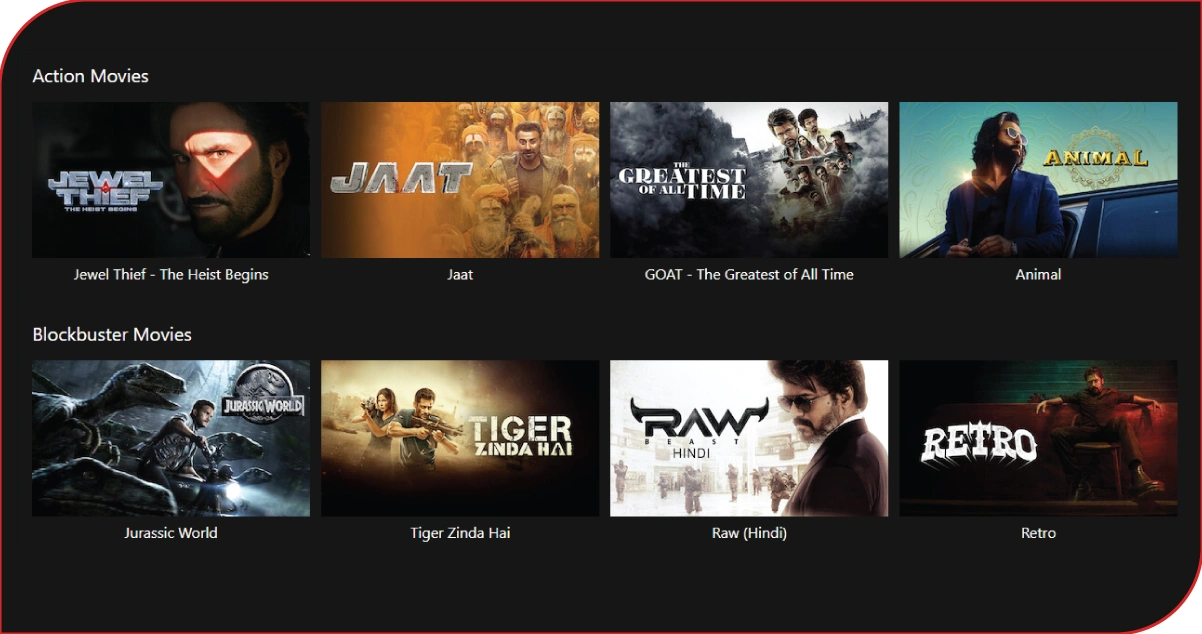
Viewer engagement varies significantly across regions, devices, and timeframes, making behavioral mapping essential for OTT success. Understanding when, how, and why audiences consume content allows platforms to adapt release strategies and personalize experiences more effectively. Behavioral mapping focuses on engagement depth rather than raw consumption volume.
Through Netflix Audience Insights Through Sentiment Analysis, platforms evaluate how emotional engagement differs across genres, languages, and demographics. Studies indicate that emotionally engaging content generates 52% higher repeat viewing rates compared to neutral-response programming. These insights help platforms determine which stories foster long-term loyalty rather than short-term spikes.
At the same time, consolidated OTT Audience Behavior Insights reveal viewing habits such as weekday versus weekend preferences, binge cycles, and device-based consumption trends. For instance, shorter series often dominate weekday viewing, while longer formats perform better during extended weekend sessions. Platforms leveraging behavioral intelligence report a 25% improvement in content scheduling efficiency.
Engagement Behavior Metrics Overview:
| Viewing Pattern | Observed Response | Optimization Outcome |
|---|---|---|
| Binge Sessions | High emotional immersion | Series extensions |
| Casual Viewing | Lower completion | Format adjustments |
| Late-Night Usage | Genre loyalty | Time-based targeting |
| Regional Peaks | Cultural resonance | Localized content |
By mapping engagement behavior accurately, OTT platforms align content delivery with real audience lifestyles, improving satisfaction and reducing churn.
Evaluating Content Value Beyond Popularity Metrics
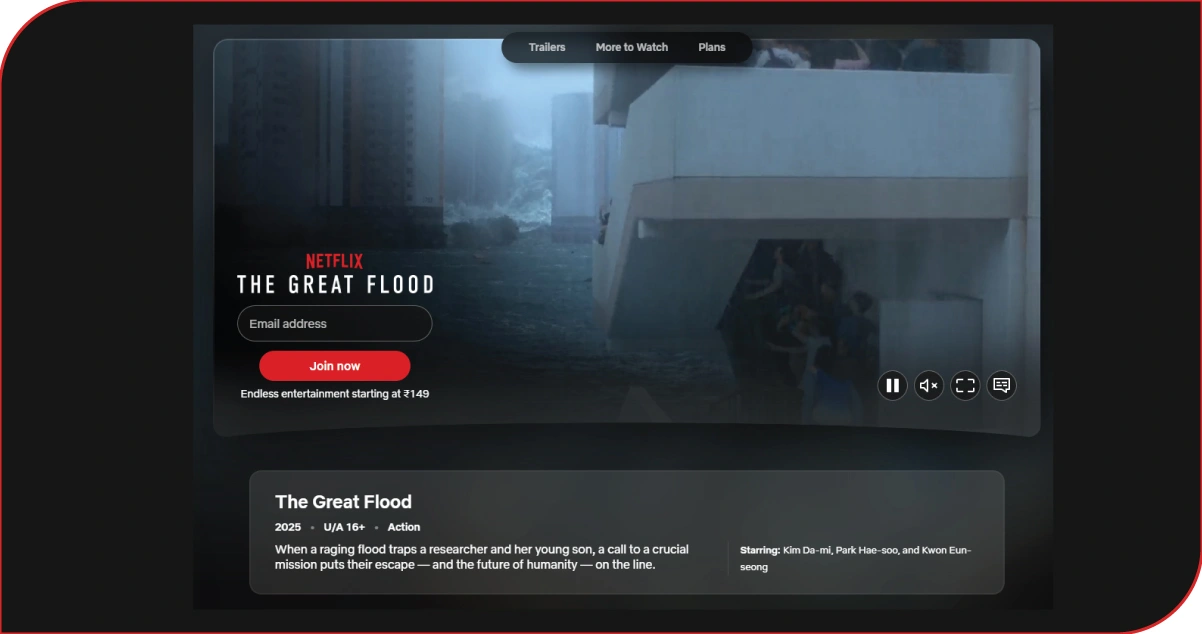
Relying solely on view counts often misrepresents a title’s true performance. Deeper evaluation considers emotional response, retention strength, and long-term engagement value. This multidimensional approach ensures that content success is measured by sustained viewer connection rather than initial curiosity.
Using Content Performance Analysis for OTT Platforms, teams compare sentiment scores with watch duration and rewatch frequency to identify content that delivers consistent value. Industry reports suggest that emotionally positive titles generate nearly 45% higher lifetime engagement than content driven by promotional hype alone.
Furthermore, Netflix Reviews Sentiment Analysis enables platforms to identify recurring viewer expectations and dissatisfaction points. When negative sentiment clusters around pacing, plot consistency, or character arcs, creators can refine future productions accordingly. OTT platforms using review-driven optimization experience up to a 34% increase in recommendation relevance.
Advanced Performance Evaluation Metrics:
| Performance Signal | What It Indicates | Strategic Use |
|---|---|---|
| Sentiment Trends | Audience approval | Renewal decisions |
| Rewatch Rates | Loyalty strength | Franchise growth |
| Review Themes | Expectation gaps | Creative alignment |
| Engagement Decay | Viewer fatigue | Format redesign |
By evaluating content through emotional and behavioral lenses, streaming platforms make smarter investments and build libraries that retain audiences over time.
How OTT Scrape Can Help You?
Modern streaming intelligence depends on structured, scalable data extraction strategies that convert fragmented viewer signals into clear insights. When Netflix Data Scraping Helps Analyze Viewer Behavior, OTT businesses gain clarity on emotional engagement, content relevance, and shifting audience expectations across regions and devices.
How we supports smarter decisions:
- Consolidates viewer interactions into structured datasets.
- Identifies emotional response patterns across genres.
- Highlights early engagement drop-off signals.
- Supports localized and language-specific analysis.
- Improves recommendation logic accuracy.
- Enables predictive content planning.
By combining these capabilities with OTT Audience Behavior Insights, businesses transform raw engagement signals into strategies that improve retention, personalization, and content ROI.
Conclusion
Streaming success today depends on understanding why audiences connect with content, not just how often they watch. When Netflix Data Scraping Helps Analyze Viewer Behavior, platforms move beyond surface-level metrics and develop content strategies rooted in emotional resonance, engagement depth, and long-term loyalty.
As competition intensifies, applying Decode Viewer Sentiment Using Netflix Data enables smarter programming decisions and sustainable growth. Ready to turn viewer behavior into actionable intelligence? Connect with OTT Scrape today and transform streaming data into measurable content success.